Posts


7 ALTERNATIVE MEDICINE TREATMENTS FOR ANIMALS: A SHORT GUIDE FOR CARING FOR YOUR PET NATURALLY


Kenzo had been paralyzed in all four legs for two weeks.  He wasn’t eating, he slept only on his side and he never even tried to get up. Prescription medications had no effect.  His owners were on a mission to find a solution, and that’s when they found Dr. Valérie Trudel’s acupuncture and osteopathy clinic. When Kenzo arrived at the clinic, he seemed to be in pain.

Dr. Trudel’s first instinct was to prepare his owners for the possibility of euthanasia. Obviously, that’s not a reality any pet owner wants to face, so they made up their mind to try everything they could. They knew the journey ahead would be long.  Dr. Trudel performed acupuncture on Kenzo and his owners decided to wait a full 24-hours before making a snap judgement about the results.  

Kenzo arrived lying on his side. After the first treatment, he left lying on his stomach. Dr. Trudel saw him again two weeks later; he was walking.  Alternative medicine specialists can recount many stories like this one.  “I want people to know that euthanasia is not the only solution,” explains Dr. Trudel. “When medicine or surgery are not an option, or there is advice against them, it is really worth the effort to try an alternative medicine. There are of course, many animals that are not euthanized because we have otherwise treated them.”

Are you looking for a solution for helping your pet?  Would you like to try the most natural treatments possible but are confused by all the options? This short guide is for you.  

Like you, many pet owners have found that traditional medicine is either not enough or too harsh on their pets. Like you, these owners consider their pet like a member of the family, and they will do everything in their power to give them the best care and, in the worst-case scenario, avoid euthanasia.

Animals quickly become part of the family. They fill an essential emotional need; we establish a real relationship with them. They remind us of our connection to nature and bring us back to what is essential.

What can touch your heart more than genuine concern from our dog when you’re feeling sad? What is more heart-warming than a cat nuzzling up to you after you’ve had a long day?  Animals force us to stop and enjoy the moment.  Recent surveys* show that the United States has over 310 million pets of all sorts, most of these being dogs, cats and fish. More than 44% of households own a dog and more than 35% own a cat.  Traditional veterinary medicine has made spectacular advances in the past few years and remains essential to the well-being of our companions. However, this is also the case for the different alternative medicines.

THE ADVANTAGES AND LIMITS OF ALTERNATIVE MEDICINE

Dr. Hélène Haltrecht, a holistic veterinarian and professor in the Faculty of Veterinary Medicine at the University of Montréal, practices at the Centre DMV in Montréal. She defines herself as a veterinarian specialized in COMPLEMENTARY medicines. All so-called alternative medicines can indeed be truly compatible and helpful, even if your pet is also treated with traditional medicine.

The main advantage of alternative medicines is that they can treat a number of ailments in a natural way without chemicals that could have adverse side effects.  Before you start any kind of treatment, be aware that the web is full of all kinds of information. It is important to consult with professionals who can direct you towards the right treatments.

Also keep in mind that, in more serious situations, your pet may need additional tests (blood tests, CT scans, ultrasound, etc.) or surgical procedures, which remain the specialty of veterinary medicine.  Alternative medicines are very effective for treating certain chronic illnesses, but in the case of an emergency, you should always consult a professional veterinarian. Furthermore, certain illnesses (like a serious heart condition) require medication.

In all cases, alternative and western medicines be completely beneficial when used together! A natural treatment can often be administered in addition to a medication (always under the advice and supervision of a professional). Natural approaches can also often improve the efficacy of a drug therapy.

ALTERNATIVE MEDICINE: A HOLISTIC APPROACH TO NATURAL WELLNESS

Alternative (or complementary) medicine is characterized by two things, whatever the specialty:

  • Its holistic approach
  • Its natural approach

This holistic approach is what we call holistic therapy, i.e. taking into account the whole (or totality) of the individual in order to treat them. The idea behind this approach is to understand the weaknesses in order to prevent issues instead of curing them.

Non-conventional, alternative, natural and holistic medicines (the terms are not lacking) are not only concerned with the physical aspects of your pet, but also its emotions and experiences, which can have a major impact on its physical health.  

Cécile Jean, doctor of veterinary medicine, practices osteopathy, acupuncture and phytotherapy in France.  “Practicing holistic medicine consists of understanding the patient as a whole. Care through alternative medicines such as osteopathy, phytotherapy and acupuncture enable this approach, which is ultimately very complementary to the allopathic medicine traditionally practiced,” she explains. “Like most holistic medicines, the objective so little used in the western world, is not to care for an illness, but to avoid the individual falling ill… it would be even more logical that a doctor or a veterinarian be paid to keep their patient in good health.”

This is confirmed by Hélène Haltrecht, already mentioned above.  “I aim for a comprehensive approach. According to the case, I look at what medicinal treatment or what combination would be the most appropriate for treating the animal. For example, acupuncture combines well with herbal remedies, especially for chronic problems (like neurological problems, herniated discs, paralysis, etc.) which are often difficult to treat with traditional medicines. Some animals do not respond well, or well enough, to medications. At this point, surgery is often required, but this is sometimes too costly for the client or perhaps they want to try to avoid surgery altogether.”

Alternative medicine offers other options, or at least complementary options, to traditional care.  “I always offer all of the options that I think could be beneficial to the animal. This can also include medications. If I think that surgery might be a good option, I will recommend it as well.”

Dr. Anne-Marie Potrawiak, a holistic veterinarian, practices at the Animomedic Clinic in Montréal. She considers her practice in osteopathy, acupuncture, homeopathy and phytotherapy to be an integrative medicine, meaning a holistic approach that treats the animal using different types of alternative medicines.

Many veterinarians now offer a combination of traditional medicine and alternative natural treatments, with fewer side effects.  Perhaps you are asking yourself, what can you treat with natural medicines? Most doctors and therapists agreed that the most frequent problems they encounter in animals are problems of chronic pain: herniated discs, osteoarthritis, older animals who don’t move as well, skin conditions, colitis, allergies, etc.

Would you like to treat your animal in the most natural way possible? We will now take a quick look at the different natural approaches available to you in order to help you make your therapeutic choices.

1. PHYTOTHERAPY FOR ANIMALS

“I have dealt with phobia / aggression problems in dogs through the combination of acupuncture and phytotherapy and exchanges with the pet’s owner,” says Dr. Jean.  

Plants to treat your pet? Is this even possible? Yes!  The use of plants to care for humans AND animals is not new. For millennia, humans have cared for their animals with plants.  Phytotherapy is the use of medicinal plants in various forms for the therapeutic benefits of their chemical components.

Animals living in the wild have a tendency to eat the plants that they find in fields, forests or groves in order to heal (in an instinctive way) some of their particular ailments. It is by observing wild animals that the medicinal properties of certain plants have been discovered.  Phytotherapy can be useful for strengthening the immune system, detoxifying the body, treating stress and anxiety, supplementing a proper diet in order to strengthen the body, or regulating the specific activities of certain systems or organs.  It should also be noted that, when used in combination, several plants can have synergistic effects that can influence an animal’s health in the long-term. In short, phytotherapy can be used preventatively in order to promote the overall health of an animal.

In this field, Chinese medicine uses herbs in combination with other treatments. This enables a reduction in the use of chemical medications (even replacing them) and therefore greatly reduces the harmful side-effects.  “I will often recommend Chinese herbs in combination with my other treatments. With that, we can give less medication, or it can even replace the drugs. Therefore, we have fewer side-effects,” explains Dr. Haltrecht.

Remember that a plant can be safe for a human but not for an animal and vice versa, so be careful about giving your pet a phytotherapy treatment you have taken. The metabolisms of animals and humans are different. Always consult a professional before starting treatment. Furthermore, as is often the case with alternative medicines, the therapies are meant to span from mid-to-long term.  If you choose phytotherapy for your pet, make sure to always choose reliable, proven professionals and suppliers.

2. ACUPUNCTURE FOR ANIMALS
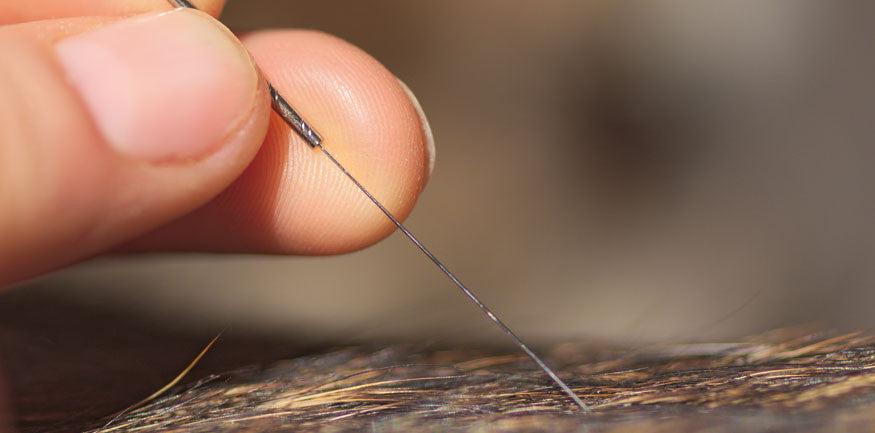
ACUPUNCTURE FOR ANIMALS - 7 ALTERNATIVE MEDICINE TREATMENTS FOR ANIMALS

Phytotherapy is often practiced in association with acupuncture. More familiar to the general public, this ancestral therapy is very well received by animals, contrary to what one might think.

“Acupuncture is one of five branches of Traditional Chinese Medicine (TCM),” explains Dr. Jean. “It is a medicine that has been established empirically over the course of centuries (more than 5000 years of existence!) and whose founding principle is the harmonious circulation of energy (or Qi) in the body. TCM is based on the idea that effective treatment can only be achieved by addressing the pathology and the patient in a comprehensive way. Disease is therefore, according to the Chinese, both the expression of a problem involving the organ to which it is linked and also the sign of a more general imbalance within the body. Or, even more widely, of the patient with his ecosystem (owner, other animals, habitat).”

“Acupuncture is a medicine in its own right, and can therefore be appropriate in almost all situations. However, there are situations where its therapeutic advantages stand out: dermatology, osteoarticular pathology, behavior, geriatrics, weak organs (kidney, liver, etc.). TCM, along with all holistic medicines, allows a comprehensive look at the patient, whatever it might be, and does not stop at the symptoms. It is therefore very useful in many pathologies”.

There are more than 300 acupuncture points recognized in animals and each provokes a specific reaction in the body. We use needling, heat, lasers, electric current and sometimes injections to treat the animal. Acupuncture allows the healing and regenerative mechanisms of the body to function to their full potential. It also stimulates certain nervous reflexes, which in turn stimulate certain organs. Like many alternative medicines, acupuncture offers a holistic approach, working with the animal according to its personality and experience.

Another benefit of acupuncture, as stated by Dr. Trudel, is often to treat the cases where the owners do not have the means to pay for surgery. Cases of ruptured cruciate ligaments or paralysis are great examples where acupuncture has shown great results. These surgeries, to name but a few, cost anywhere between USD 1,500 and USD 4,000. Even if the owners have the means to pay, the consequences of surgery may be as restrictive as the problem itself. Acupuncture allows a natural treatment and avoids many undesirable side-effects. It also proves very useful as relief for aging animals, allowing them to see out their final days without suffering due to lack of energy, joint pain, or stiffness.

3. PHYSIOTHERAPY FOR ANIMALS

Dr. Olivia Lannou is a physiotherapist at the clinic PhysioVetCare in France and recounts that “Coben had triggered a polyradiculoneuropathy, an autoimmune inflammatory disease of the peripheral nervous system, which led to a generalized flaccid paralysis. When he first came to PhysioVetCare, it had been almost three months since he could walk, he could barely hold his head up and was extremely amyotrophic. After one month of rehabilitation, neurological and muscular, and a lot of motivation, the results have met our expectations!”

“As a result of a cervical hernia, and despite the surgery, Canelle was paralyzed in all four limbs. Thanks to physiotherapy, her motivation and the perseverance of her owners, after two months of work, we have the joy of seeing her walking around again!”  She has many stories like these to tell! She and her team have seen animals arrive unable to walk into the clinic who are now fine.  Physiotherapy is now one of the alternative medicines which is developing more and more in veterinary clinics, in addition to other more traditional treatments. It is particularly noted for cases of neurological or orthopedic disorders.

Physiotherapy encompasses manual and instrumental techniques to diagnose and treat functional disorders and injuries. Physiotherapists use techniques such as massage and stretching as well as ultrasounds, electrotherapy, or hydrotherapy, etc. If your pet seems to have a neurological or orthopedic problem, physiotherapy could help.

The first objective is to ease the pain with various natural treatments and physical manipulations. The next goal is to help the animal regain its fitness. This is done a gentle way with manipulation by hand, or using natural elements like water, vibrations, heating/cooling or light.

Physiotherapy can also be combined with other natural treatments like homeopathy or phytotherapy to preserve the long-term health of the animal.  Physiotherapy will be noted in the case of arthritic animals or older animals who can no longer undergo an operation.

In the case of more serious orthopedic problems, surgery can sometimes be necessary. However, physiotherapy will often be used in addition to the surgery, or in post-operative treatment to allow the animal to recover as quickly as possible.

In fact, physiotherapy and functional rehabilitation are equivalent to the care given by kinesiologists in sports medicine. It is particularly interesting to use in post-surgical rehabilitation (orthopedic or neurologic), in rehabilitation of degenerative processes (osteoarthritis, degenerative myopathy, cauda equina syndrome, etc.), or in the preparation of sports dogs (specific pathologies of sports dogs, prevention of injuries, specific training program) as explained by Dr. Olivia Lannou, therapist at PhysioVetCare.

Physiotherapy is based on the use of passive kinesiotherapy (joint mobilization), active kinesiotherapy (exercises for stimulating balance, proprioception or targeted muscle building), electrotherapy, ultrasounds, hydrotherapy (walking in water which enables important muscular movement without putting weight on the joints) and therapeutic laser.

4. HOMEOPATHY FOR ANIMALS

HOMEOPATHY FOR ANIMALS online store - CARING FOR YOUR PET NATURALLY

Dr. Potrawiak is interested, like all specialists in homeopathy, in all aspects of the animal before administering any sort of treatment.

Homeopathy treats, in effect, the individual and not the disease in taking a holistic approach. In homeopath, providers are interested in the animal as a whole and not only in symptoms. It is what we call the law of individualization. Homeopathy is as concerned with the psychological as the physical aspects of the individual. This includes their experiences (trauma or otherwise) and hereditary traits as well. It paints a unique picture of your pet and proposes a treatment that takes all of these things into consideration. Homeopath differentiates itself from traditional medicine, which treats symptoms separately instead of considering the body as a whole.

How does the treatment work?

Homeopathy for animals (dogs, cats, horses, rabbits…) consists of treating animals by means of remedies (in small doses obtained by dilution). These remedies, in higher doses, are capable of producing similar symptoms in man (or in animal) to those of the disease, in order for the body to fight back.  The goal is to stimulate the body’s ability to heal itself (vitality). Homeopathic remedies aim to stimulate this vitality to help the body fight against disease.

The homeopath seeks to understand how symptoms manifest and also considers what aggravates them, what calms them, and at what times the symptoms appear. They take all of this into account in order to find a suitable homeopathic formula. Two animals suffering from the same problem could therefore be prescribed different homeopathic formulas.

This natural approach can be a good alternative to medications, particularly in cases of digestive disorders, psychological problems like anxiety, or hormonal imbalances to name but a few examples. Homeopathy helps limit many side-effects that you may see with drug treatments. It is also completely possible to use homeopathy in addition to conventional treatments.

Most animals react very well to homeopathic treatments. Many physical or psychological health problems can be treated with this approach, which has been used in Europe for a very long time and is becoming increasingly popular in North America.

5. AROMATHERAPY FOR ANIMALS

Dr. Nelly Grosjean, doctor in naturopathy and author of the book Veterinarian Aromatherapy, explains in an interview, “Aromatherapy is used particularly against ailments like coughs, digestive problems or alopecia, and is very effective antiseptically speaking (for fighting against bacteria, parasites, fungi, etc.). I strongly recommend it for the treatment of tendinitis, itching, joint pain, digestion, or even for strengthening the immune system or helping the animal recover after excessive physical exertion (for example racehorses).”

Aromatherapy is the process of using aromatic plant extracts (essences and essential oils) for therapeutic purposes, unlike phytotherapy which uses all the elements of a plant. 

However, be aware that some animals can be allergic or sensitive to certain essential oils. You should never use essential oils for the therapeutic care of your pet without the advice of a specialist in aromatherapy. Furthermore, they will sometimes advise you to try it on a small area of the body before using a treatment. The specialist will also let you know if certain oils should be avoided at particular moments in your pet’s life (pregnancy, lactation, etc.).

What is an essential oil?

Essential oils are a concentration of active ingredients derived from the distillation of an aromatic plant. Aromatherapy can not properly be called a ‘soft medicine’, because in fact, essential oils are a real package of energy! Oils used in aromatherapy must be of excellent quality and taken from healthy plants. Always check that the bottle indicates the exact name of the plant and its place of distillation.

Essential oils can be used for antiseptic, antimicrobial and anti-infectious purposes such as detoxifying, revitalizing or regulating the nervous system or hormonal glands. They increase resistance to illness, improve immune defenses and prevent infections and contagions. They can be used in prevention or in curative treatment in three different forms: diffusion into the air, through friction, or by internal absorption. Obviously, only healthcare professionals will be able to recommend which oils are suitable for your pet and how they should be used.

“My aromatic compositions have helped and continue to help the studs of the princes of England, the studs of a Jordanian princess, veterinary biotherapy clinics and equine osteopaths and dentists,” says Dr. Grosjean… Enough to convince the most skeptical amongst us, is it not?

6. OSTEOPATHY FOR ANIMALS

OSTEOPATHY FOR ANIMALS

Osteopathy is an alternative medicine which uses manual techniques and, like other natural medicines, is based on the principle that the body is an entity and that it is the patient (the animal) who is treated instead of the disease.

Osteopathy attaches a great importance to the vascular system and the self-healing power of the individual. It starts from the principle that all bodily systems interact with each other. In being able to treat all kinds of conditions, osteopathy often allows us to avoid taking medications. By focusing on the cause of the illness and not just the symptoms, osteopathy enables treatment of the problem at the source in order to avoid its recurrence. Knowing that certain health conditions require traditional medical interventions, osteopathy can be used in addition to other procedures.

“By regularly consulting an Osteopath, you allow your pet’s body to manage the disturbances which occur at a low level before the symptoms manifest (…),” explains Dr. Jean.  Osteopathy is also very complementary to acupuncture, as Dr. Trudel explains.  “It is rare that I treat only with acupuncture, given that the medicines are very close to each other in nature and are complementary. By combining the two approaches, I have treated, for example, a dog who had suffered with limping for several months and had been seen by several specialists. In two sessions, his problem was solved. It was a cervical vertebra that was stuck and which had pressed on the nerve. Another cat was limping on its back leg and was unable to put weight on it. Its owner was on the verge of euthanizing it. Three treatments later, the cat was walking.”

7. NATUROPATHY FOR ANIMALS

Naturopathy is also based on a holistic approach to illness and considers the body and the individual as a whole rather than only treating the health problem itself.

Animal naturopathy is concerned with the physiological needs of the animal as well as its well-being and comfort. A naturopath will often propose an overall health check of the animal while considering its diet, experiences and mental health before proposing any treatment. They will then propose the use of plants, flowers, aromatic essences, homeopathic remedies or trace elements to treat the animal. In all cases, the approach will be entirely natural.

The principal interest of naturopathy is its 100% natural approach. You will be certain, in consulting with a good animal naturopath, of providing your pet with non-invasive and completely natural care. The naturopath is a specialist in various natural medicines. They can propose different approaches for you to choose from (aromatherapy, homeopathy, etc.). The naturopath will consider all aspects of your pet’s life.

Like any alternative medicine, in specific urgent cases or in the case of certain disabling diseases, naturopathy cannot replace traditional treatments. However, it can work complementary to traditional treatments and may even improve their effectiveness.  As you can see, in terms of alternative medicine, there is no shortage of choices! From phytotherapy to osteopathy and covering naturopathy, physiotherapy, homeopathy, aromatherapy and acupuncture, you can find the natural approach that suits the personality and health needs of your pet.

All the experts we interviewed have told us the same thing: all these approaches are often linked to one another. This is why in your research you will find that many therapists are both osteopaths and acupuncturists, or naturopaths and homeopaths. In short, these complementary medicines each have their strengths and can act on different levels, and sometimes also in parallel with more traditional treatments.  Each case is unique and must be studied as such in order to find the best suited therapy. However, each case can be treated as naturally as is possible, if that is your wish for your most loyal companion.

“I treated a 10-year-old dog with osteoarthritis and an acute posterior limp, pain and associated tremors,” says Dr. Jean. “Well, classical medicine, and even osteopathy associated with phytotherapy did not seem to relieve it. On the other hand, after two close sessions of acupuncture, the limp disappeared (without any other associated treatment). It may not be obvious and, in some cases, we do not find in the first instance the care that is appropriate for the animal and its problem at that time, but when we do, the effectiveness can really be very impressive! There are also animals treated with oncology and, in some cases, we obtain remission with the combination of acupuncture or phytotherapy.”

We all want the best for our pets and, if possible, to avoid chemical drug treatments and the undesirable side-effects that come with them. This is a beautiful gift that we can give them! 

Dr. Trudel ends with this advice, “Consult your veterinarian before starting an alternative treatment.” Why? “A lady called me for her three-month-old Bernese mountain dog who had a limp in its hind leg. However, it turned out that the dog did not need acupuncture or osteopathy. It had, in fact, had a broken heel for one month.” In cases like this, only traditional veterinary medicine will be able to help your pet, then alternative care can be used to complete the treatment. So always be alert to the signs observed in your pet.

We’d love it if you could share your personal experiences in alternative medicine with us and our readers! Your story can help others make more informed decisions as they learn more about the benefits and limitations of natural approaches.  Also, feel free to send us any questions you may have. There is nothing like talking to other animal lovers!

We invite you to share your experiences, comments, questions and references in the section below. Thank you very much! Your contribution to the discussion will make a difference!

 
Detox green clean


Hello, friends! A little while ago I promised I'd share my fabulous Essential Oil (EO) finds with you and I'm finally here to make good on my promise. I've amassed quite the EO collection by this point, using them as my gorgeous personal fragrance (all those chemical perfumes I used to wear pale in comparison to the scent of my beautiful essential oils) as well as edible grade essential oils in my recipes, smoothies, tea and drinking water. Today, however, I want to share with you several recipes for cleansing everything in our homes from the produce we eat to our floors, bathrooms and laundry too! I use a single blend that does it all. So simple. So clean. And, makes our homes smell absolutely heavenly. Let's begin with why it all matters:

When trying to live a healthy lifestyle by eating right and exercising, sometimes the last areas we may think to change are our cleaning and personal care products.  We pay a lot of attention to what we put in our mouths. We read food labels and see how much sugar, saturated fat, and chemicals are in food products.  So why not pay just as much attention to what we put on our skin?

Because the skin is our body’s largest organ, what we put on it and come in contact with gets absorbed into our bloodstream and integrated into our body tissues.  The skin is not a coat of armor on our body; of course it protects our body, but it is highly permeable.  Our skin is also our body’s thinnest organ. Only 1/10th of an inch separates our delicate organs from all sorts of toxins, many of which have estrogen-mimicking effects that can destroy all of our good health intentions.

We still want our homes to be clean and free of pests and harmful germs; however, the household chemicals we use to clean our homes pose some very serious health risks. Many ingredients in these popular products—products that we have grown to trust—are harmful to our health.  So, why would we want these toxic chemicals around us and our families?  The problem is that most of us  are not aware of these hidden dangers and how pervasive these health threats can be.  This is why it is so important for us to educate ourselves and find out what toxins we are regularly exposed to, ways to limit or reduce our exposure, and what products to use that are safe and effective alternatives.

Who knows what some of the toxins are that we are regularly exposed to through our cleaning and personal care products?

  • Triclosan is classified as a pesticide and probable carcinogen by the EPA. In fact, the EPA gives Triclosan high scores both as a human health risk and as an environmental risk. It is a synthetic antibacterial ingredient that contributes to the creation of resistant forms of bacteria like MRSA (Methicillin-resistant Staphylococcus Aureus). It is used as a preservative and not always labeled. It is a cheap way for companies to make their products last longer without collecting bacteria. 
  • Parabens: A study done by the Journal of Applied Toxicology detected high amounts of parabens in breast cancer cell growth. Parabens are able to bind to estrogen receptors, where they encourage breast cancer cell growth. It mimics natural estrogen that leads to cancer. It may contribute to sterility in males, hormone imbalance in females, and early puberty.
  • Phthalates make nail polish chip resistant and fragrances last longer. “Fragrance” is basically a secret mixture of chemicals. Companies are not required to list these chemicals on product labels. Toluene, which is in fragrances, is a known neurotoxin that causes loss of muscle control, brain damage, headaches, memory loss, and speech, hearing, and vision problems.
  • Sodium Lauryl Sulfate, or SLS One of THE most dangerous ingredients used in cleaners and personal care products. Laboratories use it to purposely irritate the skin on animals and humans so that they can then test the effectiveness of healing agents on irritated skin. It is a mouth irritant that is in almost every toothpaste and can cause canker sores. It prevents deodorant from drying out. It is the main ingredient in antifreeze.
  • The EPA considers Propylene Glycol so toxic that they require gloves and goggles when disposing of and burying it. 
  • Mouthwash products with an Alcohol content of over 25% are linked to cancer of the mouth, tongue, and throat.
  • Metals: Women with breast cancer have higher levels of these metals. Aluminum prevents our skin from sweating. 
  • It is amazing that all these toxins and chemicals, and many more that were not listed, are present in products that are designed to protect us.  

The European government has banned 1,222 times more chemicals than the U.S. Under the Federal Hazardous Substances Act, household cleaners are the only household products for which manufacturers are NOT required to list all ingredients. Certain ingredients, like fragrances for example, are considered trade secrets, and government regulations are designed to protect proprietary information. The power of large companies’ well-funded government lobbying efforts have allowed them to avoid legislation, often hiding behind the principle of “trade secrets.”

Most people assume the government oversees the multibillion-dollar household cleaning products industry, but the reality is that it is largely unregulated. According to the EPA, of the nearly three thousand top selling chemicals in the U.S., only 7 percent have a full set of basic toxicity information. For the most part, the EPA simply relies on voluntary testing agreements with major manufacturers.

Without full disclosure, consumers can unknowingly expose themselves and their families to unhealthy chemicals. The Natural Resources Defense Council recently tested 14 air fresheners and found that 12 contained phthalates, and none of the products listed this on the label. Until the government enacts laws to force companies to fully disclose their ingredients, or better yet test the safety of their ingredients, it is important for consumers to educate themselves.page3image20136page3image20296page3image20456page3image20616page3image20776

Many of us have grown tired of putting our health in jeopardy just to clean our bathroom, bedroom, or kitchen. It’s very obvious why green cleaners have such an appeal and why people want to use them. The household cleaning industry has caught on to this and responded in full force with product lines that claim they are green and natural. These products are labeled “green” and “natural” for marketing reasons and to charge 20-30% more. They usually contain the same amount of chemicals! This is a practice is called “green washing”—misleading marketing to make products appear green and healthy.

For example, arsenic, uranium, mercury, and formaldehyde are all naturally occurring and poisonous. “All natural” and “green” isn’t necessarily nontoxic. It is hard to tell what exactly is in our cleaning products under the Federal Hazardous Substance Act. We live in a chemical world; every day we are exposed to toxins, chemicals, and pollutants. It can be overwhelming to even think if we can avoid all of this exposure. Even some of the so-called “green” products are damaging to our health.

It may not be possible to avoid ALL of the toxins in our lives, but there are plenty of ways to significantly reduce our family’s exposure through simple lifestyle changes and behaviors.  We can decrease our family’s exposure to toxins by using essential oils for cleaning. It’s really not as hard as it might seem.

  • Use a damp rag when dusting. Chemicals often settle on surfaces, and dusting with a dry rag releases them into the air to be inhaled. Using a damp rag captures them on the rag instead.
  • Allow fresh air into your home frequently, this allows chemical-filled air to escape. The EPA estimates indoor air is 2-5 times more polluted than outdoor air, due in part to household cleaners and air fresheners.
  • Wash nonorganic produce in a vegetable and fruit wash or buy organic produce to reduce pesticide and herbicide exposure.
  • Making our own household cleaners is super easy using essential oils. It’s as easy as going to the cabinet and grabbing that toxic store-bought cleaner! PLUS it is a safe and very effective alternative! Who knows what essential oils are best for cleaning?
  • One of the great things about oils is their antimicrobial effect, and they are safe. Chemical antiseptics can cause just as much damage to our cells as the actual germ.

Here are some ideas for a powerful natural clean using just one essential oil blend, Thieves Oil:

  1. Thieves oil is one of the best essential oils for cleaning because of its antimicrobial effect.
  2. Thieves household cleaner is an all-purpose cleaner formulated with 100% plant- and mineral-based ingredients. It gets out tough stains and problem areas in the home without harsh or abrasive cleaners. It is biodegradable and complies with EPA standards.
  3. What are the five oils used in Thieves? (Clove, Cinnamon Bark, Rosemary, Lemon, Eucalyptus (E. radiate))
  4. Thieves oil blend was found to have a 99.6% kill rate against airborne germs! 

What's the story behind Thieves? The oils or herbs were used by thieves who robbed the dead and dying during the plague of the 15th century and who never contracted the disease. Our cleaner is patterned after this formula that offered protection during a time when 50 percent of Europe perished from the plague.


Simple Detoxifying Home Cleaning Recipes:
 

All-purpose Cleaner
1 capful Thieves Cleaner to 1 quart distilled water in spray bottle
 
 
Dishwasher
1 capful Thieves Cleaner
 
 
Pots and Pans
1 capful Thieves Cleaner to 3 cups distilled water
or
1.5 parts castile soap + 1 part water + 5-10 drops lavender or rosemary EO
 
 
Floors
1 capful Thieves Cleaner to 6 cups distilled water
or
Tile & Linoleum:  1/2 cup white vinegar in a bucket of water w/ a mop + EO of your choice  or juice of a fresh lemon
Wood Floors:  use the same mixture but only with a slightly damp mop. 
Marble or Stone:  avoid using vinegar, instead use water + castile soap + a little tea tree oil aka malaleuca for antibacterial option.

 
Walls
1 capful Thieves Cleaner to 2 cups distilled water
 
 
Fabrics
1 capful Thieves Cleaner to 2 cups distilled water 
 
 
Laundry
1 to 2 capfuls Thieves Cleaner, depending on size of washer
or
1 part vinegar + 1 part baking soda + 1 part washing soda + 1/4 part castille soap + your fav EO of choice
 
 
Carpet
1 capful Thieves Cleaner to 6+ cups distilled water
 
 
Light Degreasing
1 capful Thieves Cleaner to 3 cups distilled water
 
 
Medium Degreasing
1 capful Thieves Cleaner to 2 cups distilled water
 
 
Heavy Degreasing
1 capful Thieves Cleaner to 1 cup distilled water
 
 
Window and Glass Cleaner
1 capful Thieves Cleaner to 5 quarts distilled water
or
1 /4 tsp Thieves Cleaner to 1 quart of distilled water in spray bottle
 
 
Hand Cleaner
1 capful Thieves Cleaner to 1/2 cup distilled water
 
 
Fruit and Vegetable Spray
1 capful Thieves Cleaner to 3 cups distilled water 
 
 
My delay in sharing this post was due to experiementation with a variety of EO brands. I wanted to be certain of which I liked best prior to sharing with you.  I have fallen without a doubt in love with my favorite, Young Living Essential Oils.  I've found they're far and above the most beautiful, pure, therapeutic grade, premium-sourced, -cultivated and -distilled oils available.  Do some experimenting for yourself and I'm certain you'll come to the same conclusion.  If you have any questions about formulations for different cleaning projects than those listed above, sound off in the comments!  Thieves is definitely a no-brainer for most things, however I had only so much room to share here leaving out recipes for things such as dusting, pest repellent etc.  Tho don't worry, they'll be coming soon in a future post 🙂
 

Feel free to use my YL member code:  2061352 to take advantage of significant savings on the purchase of any Young Living Essential Oils enabling you to receive wholesale over retail pricing.


Love All, 

Juliane


What's your favorite way to use Essential Oils?  Do you have a favorite?  I absolutely love ylang-ylang & jasmine. 

 Be sure to follow me on FacebookPinterestInstagramTwitter YouTube to stay current on all things SN!  


Thank you for visiting 🙂 

Comment, Like, Subscribe & Share! 


was absolutely thrilled when Williams-Sonoma invited me to help kick off “Smoothie Week” with my favorite “Not Your Average Smoothie”.  It was a match made in heaven:  an over-the-top, mega delicious, rocket-fuel smoothie and my family’s favorite gourmet cookware specialty retailer – all coming together in one fabulous post!  So without further ado, I present the delectable…

Chocolate Covered Matcha Smoothie!  

When I want to get my day started off fueled with maximum deliciousness and powerful energy (which is every day!) you’ll find me whipping up some tantalizing variation on this baby in my Vitamix.  We’re talking layers of  the most decadent, smooth, creamy chocolate and matcha infused nice-cream… so sweet, so divine AND brimming with the Wild superfood power of Wild Edible “Weeds”, Peruvian Maca Root, Essential Oil of Peppermint and Matcha Green Tea!

Yes, that’s right.  Here, shining in one of the most delicious concoctions ever, are some of the most powerful sources of nutrition on the planet, beautiful ingredients, which, when tucked into a smoothie like this Chocolate Covered Matcha, can make us look and feel as beautiful and powerful as they are!

Lets start with the Wild Edible “Weeds”.  Here, I’ve used a handful of baby Dandelion Greens, Stinging Nettles & Chickweed straight from my wild edibles garden, still thriving the near freezing temps of November (a testament to how powerful they are).  People, Wild Edible Weeds are the new Kale.  They’re used routinely in cooking in Europe and around the world, and they’re slowly but surely making their way into the mainstream here in North America.  You’ve probably noticed dandelion greens for sale at your local Whole Foods.  Or, if you’re a gourmet foodie, perhaps you’ve eaten at Trump Tower’s 2 Michelin Star “Sixteen” where diners rave over the dishes incorporating chickweed, stinging nettles and salsify (belonging to the dandelion family).


Garden basket of baby dandelions, stinging nettles, wheat grass & nasturtium blooms. 

Wild Edibles are the wild greens growing right in our own backyards!  They’re so powerful they’re able to thrive despite the most adverse conditions, growing out of stone walls, between sidewalk cracks and in near freezing or low moisture conditions.  They have incredibly long root structures, enabling them to pull incredible, intense nutrition from far below the depleted surface soil.  All that magnificent power and nutrition goes straight into our bodies when we blend them up into a smoothie!

To make things even more fantastic, by blending these raw, living greens in a high speed blender such as the Vitamix Professional or Vitamix Personal Blender, we’re cracking the cell walls, unlocking far greater nutrition for our bodies than simple mastication or chewing a huge salad can yield.  Therefore, we get way more nutritional bang out of our greens for a smaller amount used.  This means we’re able to keep our smoothies super tasty because we don’t have to overload them with so many greens that they cease to be palatable.  Additionally, compared to cooking, blending preserves essential vitamins, enzymes and nutrients.  Therefore, making delicious green smoothies, with even the most bitter tasting greens, is quite easy as only a handful will provide a HUGE level of nutrition due to the “pre-digestion” that occurs in the blender 🙂

 Check out all these other great blenders too!

As if all that wild power weren’t enough, I’ve tossed in these amazing superfoods as well:

Peruvian Maca Root – Maca root has been used by indigenous Andean societies as a source of healing and nourishment for thousands of years.  Studies have identified alkaloids present in maca which are known to nourish the endocrine system.  Maca root has been used as a stress-fighting adaptogen to increase stamina, boost libido and combat fatigue. It’s a nutrient-dense whole food packed with vitamins, plant sterols and  many essential minerals, fatty and amino acids.

Essential Oil of Peppermint (highest grade edible only) – “One of the oldest and most highly regarded herbs for soothing digestion, it may also restore digestive efficiency.* Jean Valnet MD studied peppermint’s supportive effect on the liver and respiratory systems. Other scientists have also researched peppermint’s role in improving taste and smell when inhaled. Dr. William N. Dember of the University of Cincinnati studied peppermint’s ability to improve concentration and mental sharpness. Alan Hirsch MD studied peppermint’s ability to directly affect the brain’s satiety center, which triggers a sensation of fullness after meals. This powerful essential oil is often diluted before topical application. Peppermint may also be used to enhance the flavor of food and water. Peppermint has an approximate ORAC of 373,455.” (1)

Matcha Green Tea – Matcha Green Tea contains 10-15 times the overall nutrients and 100 times more antioxidants compared to traditional green, white, black, rooibos, and yerba mate teas. It has high concentrations of the amino acid, L-theanine which helps to improve cognition and mood while reducing physical and mental stress.  Matcha assists to alkalize and detoxify via the powerful and renowned catechin EGCG and chlorophyll which  help to alkalize and detoxify the blood.  It contains potent antioxidants which help to strengthen the immune system by protecting against free radicals.

1) http://us.ylscents.com/ylo/shop/EssentialOilSingles/PeppermintEssentialOil 

To say this Chocolate Covered Matcha Smoothie is incredible seems an understatement after all that!  However, there is actually more great news…

It’s also a snap to make 🙂  

Please enjoy!

Recipe for Chocolate Covered Matcha Smoothie (Serves 2)

Ingredients

  • 4-6 super ripe organic frozen bananas
  • 1 handful organic wild edible greens (such as dandelion, stinging nettles, plaintain or chickweed)
  • 1 Tbsp matcha green tea powder
  • 1-2 drops organic peppermint essential oil (edible, food grade)
  • 1/2 tsp vanilla powder
  • 1-2 Tbsp cacao or carob
  • 1/4 tsp ceylon cinnamon
  • 1/2 tsp maca powder
  • stevia to taste (or substitute dates or raw honey)

*Optional: 1 Tbsp coconut nectar, melted, whisked w/ 1/2 Tbsp cacao & a pinch of ceylon cinnamon to create dark chocolate crackly topping.

Method

  1. Toss 2 or 3 of the frozen nanas, 1/2 handful of wild edible greens, matcha powder, 1-2 drops peppermint essential oil & 1/2 tsp vanilla powder into your Vitamix. Blend til irressitably smooth and creamy, using the tamper to assist. Dump into your fav smoothie jar or bowl.
  2. Toss the other 2 or 3 frozen nanas into your blender along with the second 1/2 handful of wild edible greens, 1-2 Tbsp cacao (or carob depending on your preference), 1/4 tsp ceylon cinnamon, 1/2 tsp maca, and stevia to taste. Blend til delectably smooth and creamy. Layer atop the matcha nice-cream.
  3. Optional: Drizzle all this yumminess with dark chocolate to make a divine crackly topping.
  4. Get ready to have THE BEST, most MAGICAL DAY EVER!!!

You may also enjoy these fabulous smoothies:

 Cleansing Quadruple Berry Acai Smoothie
Daily Detox Green Smoothie
Chocolate Covered Strawberry Shake
Chocolate Chip Mint Shake
Epic Baby Thai Coconut Smoothie
Blueberry Coconut Shake
Delicious Green Smoothie
The Happy Shake

What’s your favorite ingredient to put in your “Not Your Average Smoothie” ?


Follow me on FacebookPinterestInstagramTwitter YouTube to stay current on all things SN!


All Love,

 Juliane


Thank you for visiting 🙂  

Comment, Like, Subscribe & Share!


IMG_7536


Mmmm… Warming Spiced Ayurvedic Sleepytime Mylk is yumminess so soothing, delicious and comforting before bed I find myself turning in earlier just cause I can't wait to make it!  This mug of exotic spiced mylk sweetened with a touch of raw honey tingles the tastebuds and warms the insides.  Minutes later, tucked into soft jammies and lavender spritzed covers, I'm falling into a deep slumber of fantastical adventures… dreams so beautiful I don't wake up until dawn.  Ok, the falling asleep quickly part is definitely thanks to my Warming Spiced Ayurvedic Sleepytime Mylk, excellent for inducing sound, restful sleep.  The continuation of a night filled with brilliant dreams leads me to a subject of an upcoming post, however, I'll give you a sneak peek…  

Yet another Ayurvedic technique to promote restful sleep is rubbing a little warm sesame oil (cold pressed) on the soles of the feet (which contain reflexology points connecting all over the body).  I add  a few drops of pure **Frankincense Essential Oil to enhance this and I'm experiencing the affect of ultimate relaxation and beautiful dreams.  I adore a night of deep sleep filled with intense dreaming, magical adventure that can't be bothered by waking up in the middle… designed by the universe just for us, stimulating our creative brain until it's perfectly time to open our eyes, look out the window, in a purely refreshed state of excitement for the daytime portion of our lives!  Beautifully restful those dreamy nights where anything and everything is possible, preparing our subconscious for the grounded adventure of sunlit days. That's what sesame oil and frankincense do for me – it's no wonder the three wise men brought baby Jesus Frankincense, Myrrh and Gold.  I'll share in an upcoming post, which essential oils (EO's) I use in addition to the amazing power they have.  Not all EO's are created equally for there is a highly refined art to how they're grown, distilled and combined.  Therefore, it's important to properly source them.  However, I've already delved much farther into this subject than intended, so stay tuned for more exciting details soon!

**Frankincense oil is an ancient oil which has been used for over 5000 years for restoration of the immune system, enhancing skin care, and harnessing spiritual connection to help us release parts of our ego which hold us back from connecting with our soul, as well as releasing feelings of unworthiness and insecurity. Often used in meditation, it's useful for visualizing, improving spiritual connection, centering, and providing comforting properties that help focus the mind and overcome stress and despair. The uses and benefits of Frankincense date long before the time of Christ to the Egyptians and Sumerians. Today, scientific research has shown Frankincense contains 8% sesquiterpenes which stimulate the part of the brain that controls emotions, and 78% monoterpenes which are known to be calming and restorative. 


IMG_7541


What I will say – on a seemingly different subject and yet not since everything in life is so inextricably intertwined – is that awakening (pun intended) is pure joy!  All the tidbits I share on StyleNectar are simple ways to Live Beautifully, to help us experience the profound joy that is our birthright.  People, do not give up.  Even if you feel hopeless, do not give up.  Trust me I've been there.  We all have.  However, our problems are indeed opportunities in disguise. They inspire us to look beyond the limitations of conditioned mind – beyond simply meeting ego's needs – as it dawns on us that ego's needs can NEVER be met.  It will never be enough.  Ego's appetite is insatiable and its promises empty. The good news, however, is our freedom, our bliss, lies not in some external person, achievement or thing.  Freedom is in our own hands – we're at the mercy of no one, no thing!  It's designed that way – and in fact it's our life purpose to realize.  Some might call it learning to love ourselves.  I would say it's realizing we are love.  Meditation weans us from our addiction to distraction, disatisfaction, drama, and living in stories of past and future.  Finding freedom is SO much more fun than the futility of attempting to appease ego.  It's why many people who so called "have it all" are still not satisfied, blind to the simple, beautiful fact that we had it all from the very beginning.  We always have.  Always will.  The heart.  Love.  Through meditation we experience this disrobing of the layers of disatisfaction, to bathe in love, be one with who we are.  Experiencing our true nature.  Our highest potential.  When we bring true nature to our human experience we open our eyes to everything that has been within and around us all along.  The magic of life force, of being alive.  We see that it's about the process, each moment. Forget the results, they're just another addiction to tear us away from the moment.  When we leave the moment we disconnect from the source and dive headfirst into suffering.  Meditation and living in tune with nature reinforce our oneness with the source, opening ourselves up to a magical way of living not possible, or encouraged – by the conditioned world.    


IMG_7519

Ayurvedic Spiced Sleepytime Mylk w Turmeric, Cardamom & Ginger


The science of Ayurveda, based on the ancient healing traditions of India, supports living in sync with nature, adjusting our way of living to balance the affect changes in our environment have on our doshas (doshas being the three mind-body types: vata, pitta & kapha).  These changes in the rhythms and forces of nature such as the shift from morning to night and the inevitable seasons have a profound impact on us.  According to Ayurveda, a key to good health, peaceful mind and higher level functioning is to live in harmony with these patterns of nature.  This means continually balancing our inner ecology and our doshas to adjust to our ever changing environment.

Fall provokes the qualities of the vata dosha, characterized by such physical attributes as dryness, cold, subtlety, mobility, lightness, clarity, instability & astringency.  Thus, Ayurvedic guidelines for autumn revolve around pacifying vata and grounding by keeping warm, calm, maintaining a regular routine, eating warming foods & spices and avoiding extreme cold, cold foods and too many raw foods.  While there are many incredible reasons to include loads of raw foods into our diets, I'm not  dogmatic about a 100% raw food philosophy.  Currently, I'm experimenting with a 70% raw food, 30% cooked food breakdown.  That said, don't forget, just because food is raw, doesn't mean it has to be cold – soups, entrees etc. can all be warm, yummy and comforting and stay raw.  I'll be bringing more of these warming dishes to you this season. 

Autumnal shifts in my diet are accompanied by going to bed a bit earlier, the addition of cozy blankets, sweaters, scarves and slippers; you won't catch me without a mug of something warm such as green tea or this Ayurvedic Spiced Mylk.  I find myself wearing my hair down in its natural waves around my neck and ears like an extra scarf to keep me warm.  Dinnertime brings warming stews spiced with seeds of cumin, mustard & coriander, or spicy thai noodles w/ shiitakes and coconut cream sauce (yes coming soon!)… It's a gorgeous, cold, light, blustery and dry time of the year. Leaves sparkling and rustling in the autumnal gusts. Even my kitty changes her routine, heading back to nap in her pillow-lined basket in the kitchen.


IMG_7538

Sleepytime Ayurvedic Warming Spiced Mylk with Turmeric, Ginger & Cardamom


With these adaptations to the change in seasons I've been inspired to incorporate additional Ayurvedic structure to my days.  I experience an incredible amount of life force on a 100% raw foods diet combined with my dedicated meditation practice.  It's probably something one has to experience to be able to relate to… spiritual breakthroughs of a whole new level, such oneness with nature it's frequency pulses through my veins.  However, from an Ayurvedic perspective, though we do live in heated homes, a 100% raw food diet might not be best in winter.  While I did remain close to 100% raw last winter, as I was brand new to it and unwilling to let go of the high frequency living a raw food diet was providing, old school Ayurvedic science would feel this could provoke too much vata.  On the other hand there are "living" Ayurvedas who would completely endorse 100% raw year round for the level of prana it provides.  Which side to take?  As Ghandi said, "My life is experiments in truth".  So this year I'm experimenting, taking the middle way by incorporating more grounding cooked food into my routine.  I find life is constant change, refinement, which forces us to stay awake, keep our eyes open.  Far better than falling asleep on auto-pilot thinking we've figured it all out.  So here's a peek at the rest of the Ayurvedic inspired daily routine I'm transitioning into:

Ayurveda would recommend waking up early, around 5 am to experience the calm stillness of the morning this time of year.  I'm working on that, finding 6:00 am is my current goal 🙂  A bit of yoga is advised upon waking, which I find quite wonderful, only 10-20 minutes or so, focusing on the following asanas especially soothing of vata: Cat and Cow, Spinal Twist, Cobra, Vajrasana, Forward & Backward Bend, and Lotus. Shoulder Stand and Headstand are good in moderation.  Additionally, Sun Salutations in sets of 12 at minumum for good exercise or a maximum to the number of one's age -tho work up gradually if you try that! I follow yoga with bathing & oil pulling, breakfast & meditation.  If I've gotten up early enough I'll take an early walk in nature, otherwise, I'll soak up the sunshine on a lunchtime walk.  After a day's work, supported by my essential oils (again more on these soon!) I have dinner (sometimes raw, sometimes cooked, always warm) relax, and aim to go to bed within an hour after sunset – yes that early! It's fantastic. Just before bed it's a short second meditation then my delicious Warming Spiced Sleepytime Mylk.  As mentioned, it completely helps me sleep through the night – and even if it didn't I'd still drink it cause it's SO darn comforting, yummy and freakin delicious people!  Yes, it does have turmeric in it- which is of course unbelievable for us on so many levels, and it tastes phenomenal.  If you think you wouldn't like it with turmeric, try it, I think you'll be surprised 🙂  

Lastly, after having my sleepytime mylk… I wash up for bed and rub the soles of my feet with the aforementioned sesame oil and frankincense to cleanse my body, sleep like a baby, and dream like I'm in a whole new world.  As I said, more on the essential oils coming soon…

**Turmeric has a vast variety of uses. In general it's a good anti-inflammatory. In traditional medicine, it's used to treat liver disorders, parasitic infections, ulcers, skin problems, bruises, joint pain and inflammation, sprains & strains, cold & flu symptoms and as a general digestive aid. Scientific research shows that turmeric aids in breaking down liver toxins, strengthening gallbladder function, aiding lipid (aka fat) metabolization, and preventing blood clotting. Recent studies show turmeric may help prevent lung, breast colon, and other forms of cancer. 

PS.  I can't possibly discuss Indian science without mentioning one of my top (as in top 3) favorite books, the Baghatvad Gita (translation by Eknath Eswaran). Life changing. Just like us. Just like nature.


Recipe for Warming Spiced Ayurvedic Sleepytime Mylk

Ingredients

  • 1 cup of almond, coconut or your fav non-dairy mylk
  • pinch of cardamom 
  • pinch of cinnamon
  • pinch of black pepper
  • pinch of ginger
  • pinch of turmeric
  • raw honey 

Method

  1. Pour your favorite mylk into a small pot.  
  2. Add spices to taste and whisk to combine. Start with less and experiment with more later.  I actually use 1/2 tsp of each spice which makes my mylk bright yellow and I LOVE it! However, a pinch is all you need.
  3. Bring mylk to baby bottle temperature to keep it raw. If you don't care about it staying raw, bring it to a light steam.
  4. Add a raw honey to taste & give mylk another whisking.  
  5. Pour into your favorite mug and enjoy heavenly sleepytime yummminess! Sweet Dreams 🙂 


Do you meditate or have you ever considered meditating? How are you transitioning into the cooler weather?


Follow me on FacebookPinterestInstagramTwitter & YouTube to stay current on all things SN!


All Love,

Juliane


Thank you for visiting 🙂


Comment, Like, Subscribe & Share!


Buggy begone summer scent essential oilMy delicious aromatherapy Summer Scent has fabulous Bug Banishing powers!


Hello friends!  I'm so excited to share one of my favorite Summer Secrets with you!

I've gotten really into Essential Oils lately, replacing toxic skincare, perfumes & other household items with delicious, organic formulations straight from Earth's beautiful flowers and plants.  After all, our skin, for example, is our largest organ, so anything we're putting on it we're essentially eating, as the ingredients are ultimately absorbed and processed into our bloodstream, liver etc.  Obviously, the same idea goes for that which we breath into our lungs  also.  Not only are Essential Oils non-toxic, (only source top quality 100% pure essential oils, such as anything from LivingLibations ), they possess amazing healing properties for our bodies and they're also uplifting to our minds and spirits with their stress-relieving aromatherapy benefits. 


TangerineMintLavender
My favorite essential oils are from Living Libations


My refreshing Summer Scent, in the silver canister above (I recycled it from a previous use) is an energizing mist of gorgeous mint and lavender.  It's truly the most heavenly fragrance I've ever worn- so lovely for warm weather.  

Spritz it on for its delicious scent and a cooling, energizing, aromatherapy boost… while simultaneous banishing away wasps, mosquitos, spiders & ticks!  Peppermint and Lavender happen to be two scents these and many other bugs hate!

Just add 3-5 drops each (adjust according to your strength preference, your oil strength & container size) of excellent quality, organic, essential oils of Peppermint & Lavender to a container filled with purified water.  I used about 5 drops of each for my 2 oz. spray bottle.  Start with less as you can always add more.  Obviously, the stronger you make it, the less the bugs will like you 🙂

 Shake. (& shake well before each use)  

Voila!


Delicious Summer Scent - Check

Energy & Mood Booster Check

Bug Banisher Check


Don't leave home without it:-)


Happy Sunny Days to all of you!


Much Love,

XOXO

Juliane


What is your favorite essential oil? Share with all of us in the comments below!


PS.  Try dabbing on a few dots of orange citrus essential oil in the morning when you wake up for a wonderful energy and mood boost first thing!

PPS. Did you know, applying a tiny dab of peppermint essential oil to the temples can relieve a headache!

PPPS. To make a REALLY potent bug banisher, albeit overpowering the refreshing aromatic qualities of the recipe above, add a few drops of tea-tree and lemongrass (aka citronella) essential oil to the same recipe.


If you liked this post, say thanks by sharing it.